Walking After Meals but Blood Sugar Still High?
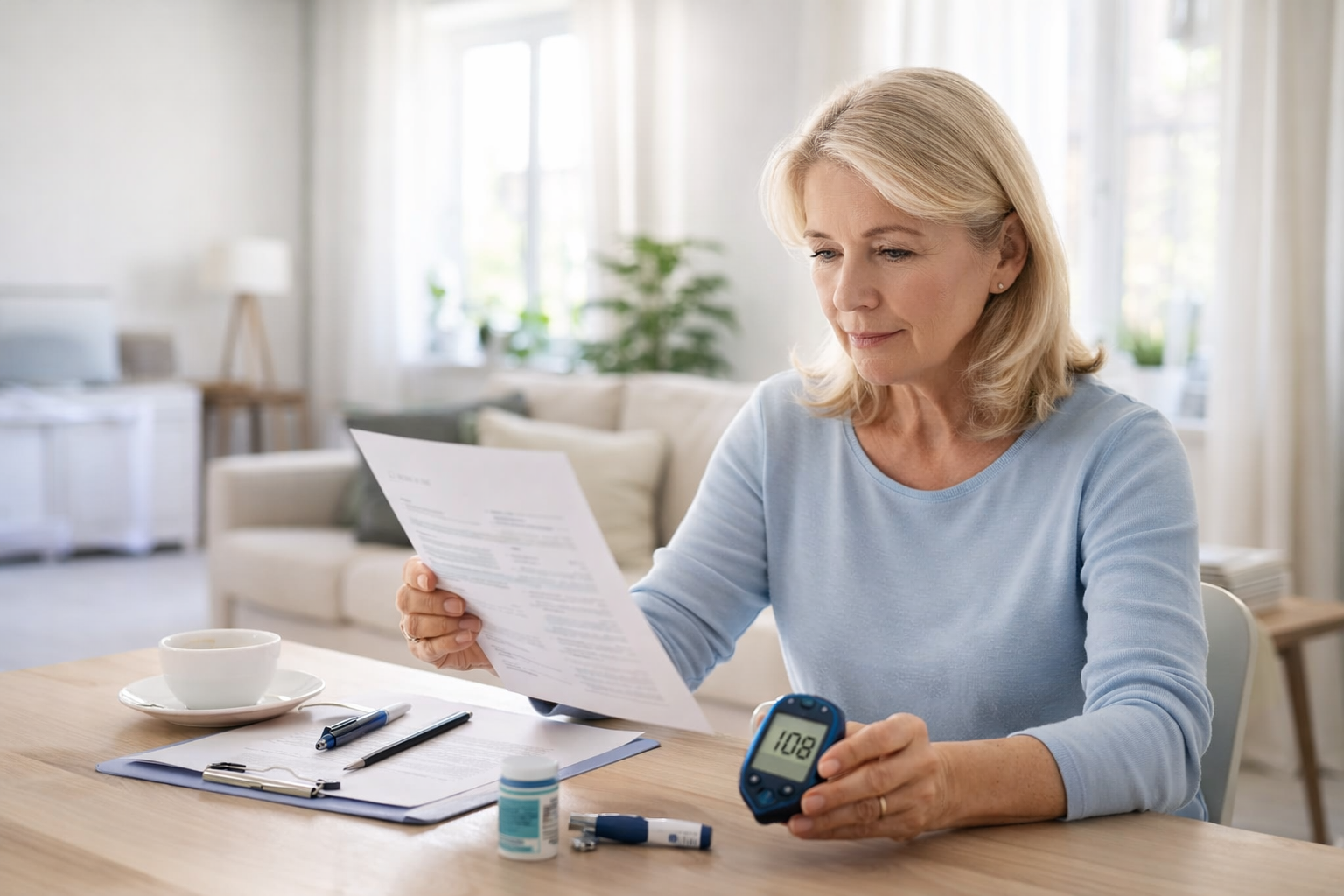
Walking after meals does lower blood sugar, often by 15 to 30 percent, but it works on the glucose already in your blood, not on why your cells resist it. If you walk after meals and your blood sugar is still high, the bottleneck is usually how well your cells respond to insulin, and that is a separate problem from how much you move.
You did what everyone told you. Ten minutes after breakfast, fifteen after dinner, around the block even when it was raining. And your meter still reads 170, 180, sometimes higher, two hours after you eat.
If you are walking after meals but your blood sugar is still high, you are not doing it wrong. You have simply reached the edge of what walking can do on its own.
What the walking research actually shows
The post-meal walk is one of the best-supported habits in blood sugar management. Short walks after each meal beat a single longer walk at a different time of day, and the evening walk after a carbohydrate-heavy dinner shows the largest effect. Current guidance published in September puts the typical reduction at 15 to 30 percent of the post-meal rise.
Read that number carefully. A 15-30% reduction of a spike that goes to 220 still leaves you near 180. The walk is working. It just is not enough by itself.
Walking helps because working muscles pull glucose out of the blood without needing much insulin. That is a real benefit. But the moment you sit down again, your cells are back to depending on insulin to let glucose in, and that is where the problem usually lives.
The door that walking cannot open
Think of insulin as a key and your cells as doors. In insulin resistance, the key still turns up, but the doors respond slowly. Glucose waits in the hallway, which is your bloodstream, and the pancreas sends more and more keys to compensate.
A walk temporarily opens a side entrance in your muscles. It does not fix the front door. That is why the same person can lower a spike with a walk and still see high readings every morning and after every meal they cannot walk off.
Signs the front door is the bottleneck
- Post-meal readings drop with a walk, but fasting numbers stay stubborn
- Belly fat that does not respond to more activity
- Energy crashes and cravings two to three hours after eating
- Readings that stay elevated longer than three hours after a meal
Why the usual next step disappoints
Most people respond by walking longer or cutting more carbohydrates. Both can help at the margins. But neither speaks to what is making the cell doors sluggish in the first place, which is why so many people describe the same plateau: doing more, seeing less.
What a growing group of our readers have been looking at instead is a nutritional approach aimed at that front door, supporting how cells respond to insulin so glucose moves out of the bloodstream on its own schedule, not only during the ten minutes you are walking. We asked one of those readers to walk us through it from the beginning, and her account is at the end of this piece.
Keep the walk
None of this is an argument against walking after meals. Keep doing it. It protects your blood vessels and your nerves and it costs nothing. The point is that it was never designed to carry the whole load, and if your meter is telling you that, believe the meter.
Talk with your doctor if your readings regularly stay above target, especially with thirst, frequent urination or blurry vision, and never change a medication without medical supervision.
One reader's account: what she added, and why she chose it
Diane is 63, walks after dinner with her neighbor most nights, and had the same meter readings for most of last year: lower after the walk, never low enough, and a fasting number that would not budge.
She had already tried what everyone suggests next. She walked longer, up to forty minutes, and her knees complained before her numbers did. She cut carbohydrates hard for a month, felt exhausted, and watched her fasting readings stay exactly where they were. She tried a big-box-store berberine capsule a friend swore by, and stopped after ten days of stomach cramps. Her doctor's advice at two visits in a row was the same: keep doing what you are doing.
The name came from her walking partner, whose own meter had started to look different over the summer. Diane's first reaction was skepticism, mostly because it was a liquid and "liquids sound like a gimmick." So she read the label photo on the company's website, looked up the names she didn't know, and asked her pharmacist whether any of it clashed with her medications. Three things convinced her: it was aimed at how cells respond to insulin, the front door, not at the hallway; it was one small serving a day; and the company's page shows a 60-day money-back guarantee, which made it a two-month experiment instead of a commitment.
The bottle was Gluco Recover.
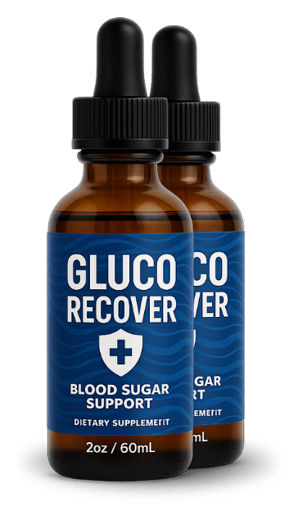
What is on the label
The supplement facts panel shown on the company's site lists chromium plus an herbal blend. These are the ingredients that line up with the front-door problem described above:
- Chromium (as chromium picolinate). A mineral that helps insulin do its job, which is the front door itself.
- Gymnema sylvestre leaf. A traditional herb studied for healthy glucose metabolism and for taking the edge off sugar cravings.
- Asian ginseng root (Panax ginseng). Studied for how the body responds to glucose after meals.
- Green tea leaf. Antioxidant support for a metabolism under strain.
- Astragalus root. A traditional root used for general resilience and metabolic support.
The blend also includes maca, grape seed, African mango and several amino acids. None of it is a drug, and none of it replaces one.
How she takes it
The label says 1 mL, about two droppers full, per day. Diane takes it with breakfast, before the morning half of her walking routine, and has kept every prescription exactly as her doctor wrote it. She still walks after dinner. That part was never the problem.
What changed, and how long it took
- Week 1. No difference she could see. Same post-walk readings, same fasting number. She logged it anyway.
- Weeks 2 and 3. The two-hour reading after dinner started coming in a little lower on walk nights than it used to, and a little less high on the nights she couldn't walk.
- Month 1. Her fasting number began drifting down a few points at a time, the first movement there in months. The 3 p.m. energy dip she had stopped noticing was suddenly noticeable by its absence.
- Months 2 and 3. At her next appointment her doctor looked at her log before she said a word. Nothing about her medication changed, and the advice was the same as always: keep walking. This time it felt like it was working.
Why so gradual? Because insulin sensitivity shifts over weeks, not days, and the walk and the label are working on two different parts of the same problem. That is why Diane's second order was the three-month supply. Individual results vary, and anyone on blood sugar medication should expect their doctor to want to watch the numbers.
Who it may suit, and who should not use it
It may suit you if you already walk after meals, your readings drop with the walk but not enough, your fasting number is stubborn, and you want to support how your cells respond to insulin alongside, not instead of, your current plan.
Do not use it without your doctor if you have type 1 diabetes, take insulin or a sulfonylurea (chromium and gymnema can add to their effect), are pregnant or nursing, or are under 18, which the label itself warns against. And if your readings regularly stay above target with thirst, frequent urination or blurry vision, that is an appointment, not a purchase.
The guarantee
The company's order page shows a 60-day money-back guarantee, and its refund policy says you can try it for the full 60 days and ask for a refund if you are not satisfied. That is the window Diane gave herself.
The walk works on the hallway. This is what Diane added for the door.
See what Diane takes with breakfastTwo months, one small serving a day, and a refund if your meter says no.
Start a 60-day try of Gluco RecoverP.S. Diane still walks around the block in the rain. The difference is what the meter says when she gets back. If yours read 180 again tonight after a walk you did everything right on, start with what she added.
Further Reading
Blood Sugar Spikes After Meals
What drives the rise and how long it should last
Insulin Resistance and Belly Fat
Why the middle is the last place to change
Medical Disclaimer: This article is for informational purposes only and does not constitute medical advice. Always consult with a qualified healthcare provider before making changes to your diabetes management, medications, or supplement regimen.