Diabetic Diet for Thanksgiving: Bernadette Planned Every Bite of Last Year's Dinner for 18. Her Meter Still Read 238 at 9 p.m.
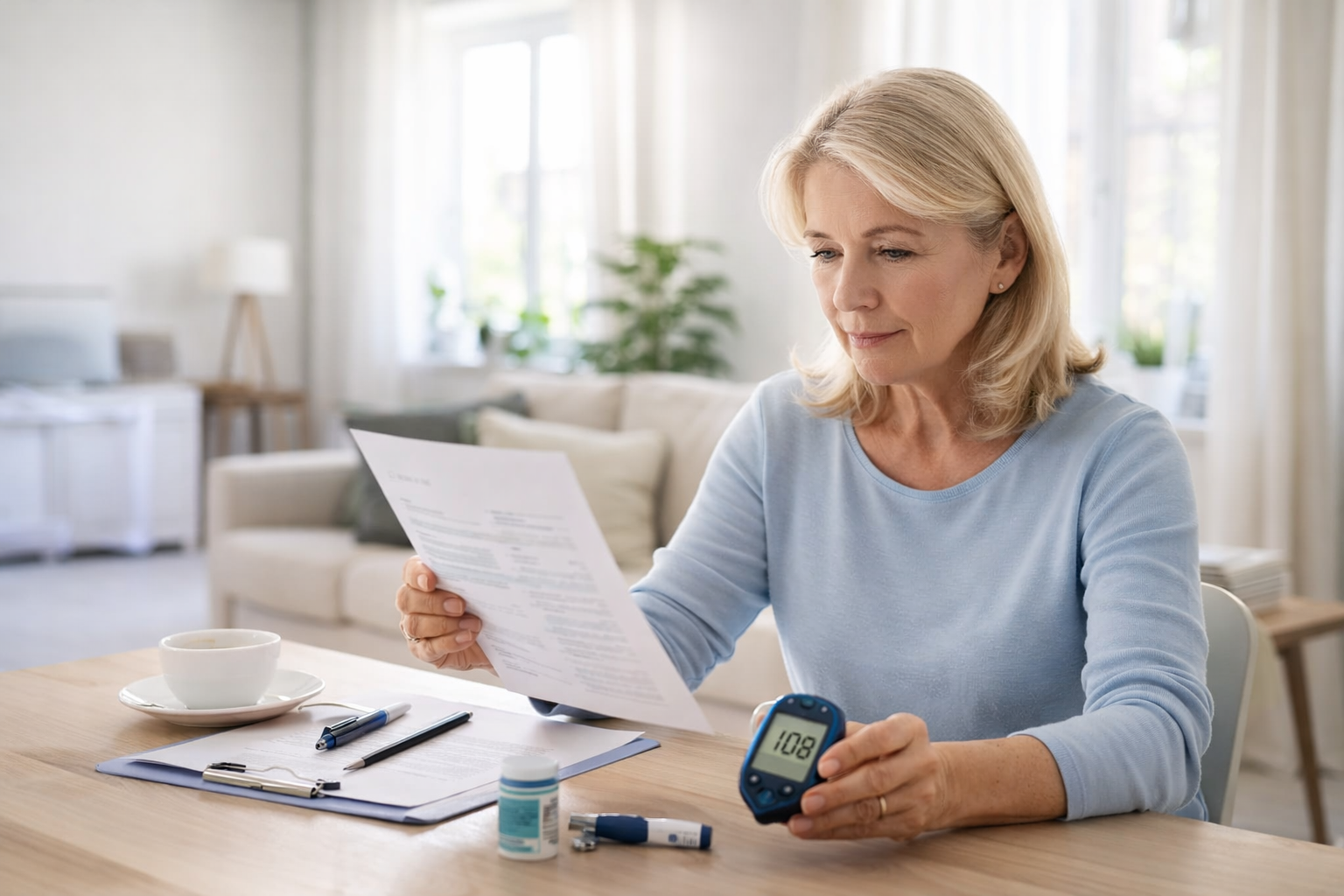
What does a diabetic diet look like on Thanksgiving? Fill half the plate with non-starchy vegetables, a quarter with turkey or another lean protein, and a quarter with the starch you love most (stuffing, potatoes or a roll, not all three). Eat the vegetables and protein first, keep sauces and sweet drinks small, pick one dessert and have it with the meal instead of hours later, and take a 15-minute walk afterward. Keep taking your medication on schedule and check your sugar before and two hours after the meal.
Bernadette, 66, has hosted Thanksgiving in her house in Toledo for twenty-two years. Eighteen people, two turkeys, a card table for the grandkids in the den. When she was diagnosed with type 2 four years ago, she did what a woman who runs a holiday like a military operation does: she studied. Last November she planned her own plate down to the tablespoon. Turkey, green beans, salad, a small scoop of her mother's stuffing, a sliver of pumpkin pie with dinner, a walk around the block with her son-in-law.
At nine that night, with the dishwasher running for the third time, she checked her meter. 238. She sat down on the kitchen stool and stared at it. "I didn't even have the sweet potatoes," she told her sister on the phone. "I did everything they tell you."
This week, with the turkey order due at the butcher's, she typed diabetic diet for Thanksgiving into her phone. She wasn't looking for a recipe. She was looking for whatever she'd missed.
Diabetic diet for Thanksgiving: what really helps
The holiday plate matters, and these steps have real research behind them. If you're planning yours now, start here:
- Don't "save up" by skipping breakfast. Arriving at dinner starving makes the big meal hit harder. Eat a normal protein breakfast.
- Vegetables and turkey first, the starch last. Eating in that order can soften the spike.
- Pick one starch you really love instead of a spoonful of everything. Stuffing or potatoes or the roll.
- Have dessert with the meal, a small piece, rather than grazing on pie all evening.
- Walk after you eat, even 15 minutes. Working muscles pull sugar out of the blood.
- Watch the drinks. Cider, sweet tea and punch can carry as much sugar as the pie.
- Keep your medication schedule, even when the day runs late.
Get help right away if your reading is over 300, or you feel confused, extremely thirsty, sick to your stomach or short of breath. If you take insulin or a medicine that can cause lows, talk with your doctor before the holiday about how to handle a late or large meal.
Bernadette followed the plate. It helps, but…
Here's what bothered Bernadette most. It wasn't just Thanksgiving. All year long, she ate by the rules and her meter acted like it hadn't read them. A careful lunch, and a 3 p.m. pull toward the candy dish anyway. A light supper, and a fasting number the next morning that was higher than her bedtime one. Her A1c had crept from 6.8 to 7.3 in a year she called "the best year of eating in my life."
The diabetic diet does what it says. It reduces how much sugar comes in. "It took me four years," she said, "to figure out the plate was only half of it."
Planning every bite and the evening number still won't come down?
See the half of it the plate can't reachThe other half: what your body does with the sugar
A big holiday meal is a test of one thing: how well your body uses the insulin it already makes. If that response is strong, the sugar from dinner gets moved out of the blood and into the cells within a few hours. If it has weakened, the same careful plate lingers in the blood all evening, and then the liver adds its own sugar before dawn. That's how a "perfect" plate becomes a 238 at nine o'clock and a high fasting number the next morning.
And there's a signal behind that response that most diet handouts never mention. The message that tells your brain you're full and the message that tells your body to use its insulin now travel together. When that signal fades, the cravings get louder and the meal sits in your blood longer. It's why so many careful eaters say the same thing: "It isn't willpower." It isn't.
A physician with three decades in practice built a short morning ritual around supporting that signal, after his own wife followed every instruction for years and watched her numbers rise anyway. It starts with a kitchen ingredient mentioned again and again in Scripture, though not the kind most people keep in the pantry, and it isn't the honey-and-cinnamon recipe from the internet. Which kind he uses, what it's paired with, and why it has to happen early in the day is what he walks through in his presentation.
Four weeks until the turkey. The morning ritual starts before breakfast.
Watch the morning ritual Bernadette's sister sentWhat's on Bernadette's counter this November
Her sister Colleen, a retired school nurse in Cleveland, sent her the presentation with a text: "Watch this before you order the turkey." Bernadette watched it at the kitchen table with her holiday list. At the end, the physician talks about a supplement made to support the body's own blood sugar balance around the clock. It's called Glyco Barrier. She read the label the way she reads a recipe card she's never tried:
- Chromium picolinate, a mineral studied for how well the body responds to its own insulin. "That's the part for after the meal," Colleen told her.
- Gymnema sylvestre leaf, a traditional herb for healthy glucose metabolism and for quieting the pull toward something sweet.
- Green tea leaf, for antioxidants and gentle metabolic support.
- Coleus forskohlii root and maca root, for how the body uses stored fuel and for steadier afternoon energy.
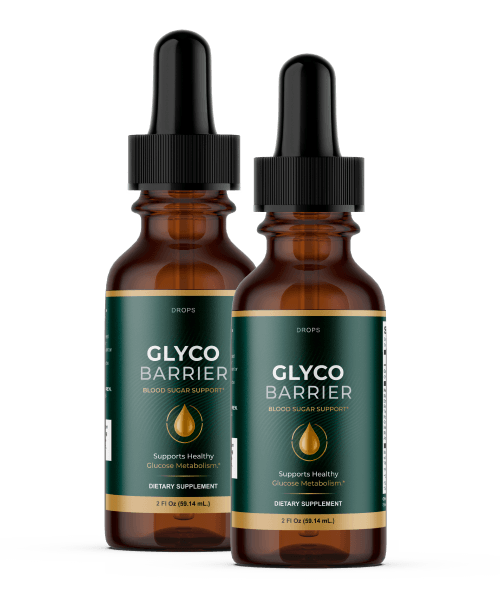
She took the label to her doctor because of her metformin. He told her to keep her prescription, keep walking, and check more often in the first few weeks. Weeks 1 and 2: nothing she'd write on the list. Weeks 3 to 4: her two-hour-after-supper readings started landing under 180, and the 3 p.m. candy dish lost its pull. Thanksgiving week: that's the real test, and she's going into it with a plan instead of a prayer. Her A1c recheck is in February. Results vary from person to person, and some people will still need more help from their doctor. That isn't failure.
It may suit you if you have type 2 or prediabetes, you already follow a diabetic diet, and your readings after meals or your A1c won't follow along. Skip it or ask your doctor first if you have type 1, take insulin or another glucose-lowering medicine, have kidney or liver problems, or are pregnant or nursing. The order page shows a 60-day satisfaction promise from the date of purchase.
Every holiday meal that lingers in your blood counts toward your next A1c. You still have four weeks to change how this one goes.
See the routine before you order the turkeyP.S. Bernadette's list this year has one new line at the very top, above "brine turkey Tuesday night." It says "drops, then coffee." If you're the one hosting and the one with the meter, watch what Colleen sent her, and talk to your doctor before the big day.
Further Reading
Prediabetes Symptoms
The signs most people blame on the weather, the job or their age
How Can I Lower My A1c?
Nadine did everything on the handout and went from 7.2 to 7.3
Sources: American Diabetes Association, Standards of Care in Diabetes, 2026 (nutrition therapy; glycemic goals; physical activity). Centers for Disease Control and Prevention, Healthy eating for diabetes; diabetes and the holidays.
Medical Disclaimer: This article is for informational purposes only and does not constitute medical advice. Results vary. Statements about supplements have not been evaluated by the Food and Drug Administration, and supplements are not intended to diagnose, treat, cure or prevent any disease. Never stop or change a prescribed medication without talking to your doctor.