Prediabetes Symptoms: Ray Coached High School Football for 31 Years and Called the Thirst "Two-a-Day Weather." In October It Was 58 Degrees
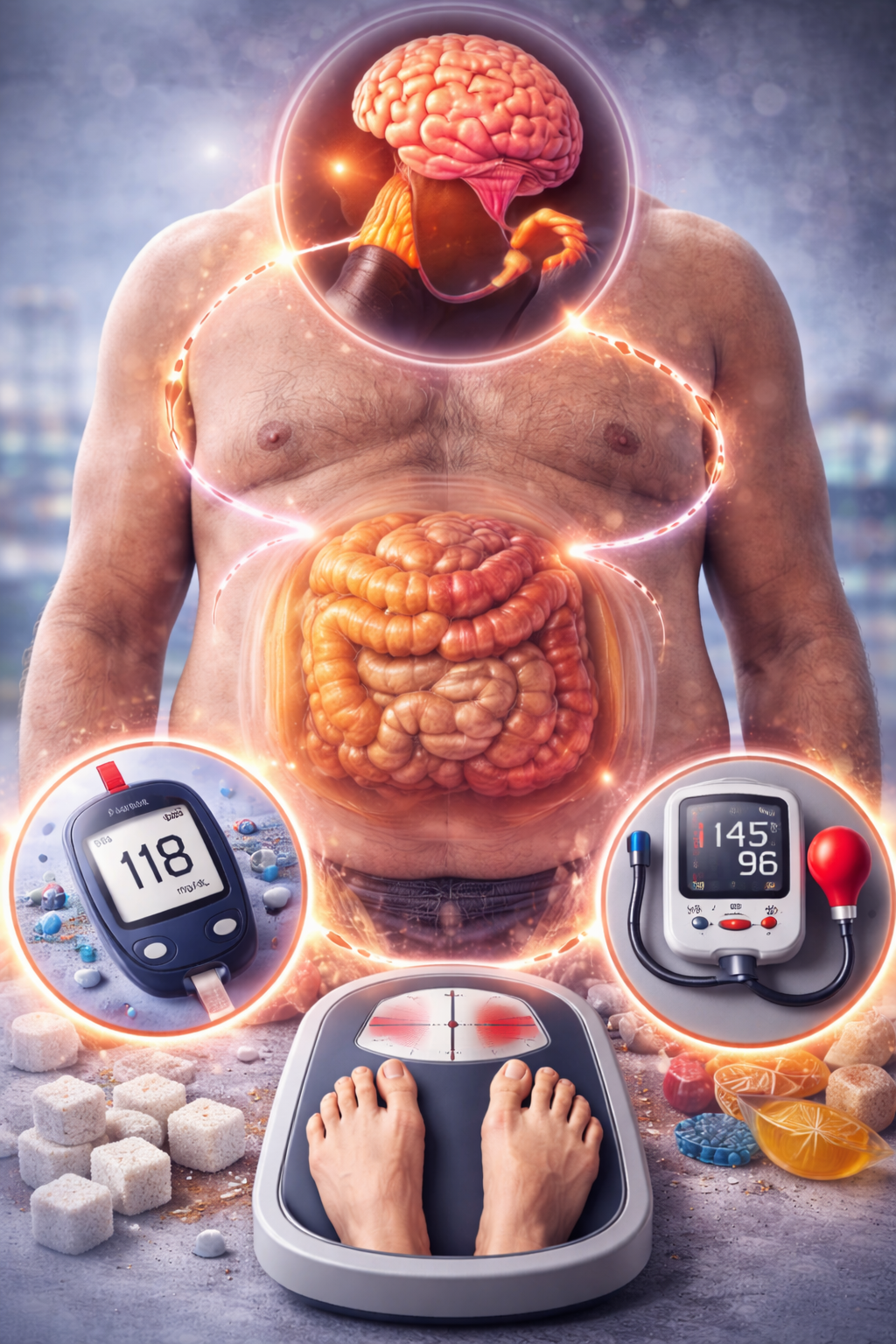
What are prediabetes symptoms? Most people with prediabetes have no clear symptoms at all, which is why a blood test (a fasting glucose of 100 to 125 mg/dL or an A1c of 5.7% to 6.4%) is the only reliable way to know. When signs do show up, the common ones are more thirst and more trips to the bathroom, tiredness after meals, strong sugar cravings, blurry vision that comes and goes, darker patches of skin on the neck or underarms, and tingling in the feet. If you have any of these, or you're over 45, ask your doctor for an A1c.
Ray, 58, coached high school football in Lubbock, Texas for thirty-one years. He is a man who measures the world in water breaks. So when he started carrying a gallon jug to the practice field this fall, he told himself it was the job. "Two-a-day weather," he called it. Except it was October, and one afternoon the thermometer on the press box read 58 degrees and he'd still emptied the jug by the fourth quarter.
He was up twice a night to use the bathroom. He fell asleep in his recliner during film. His feet tingled in his cleats on the long bus ride home from away games. And at night, after a full supper, he'd stand at the open fridge looking for something sweet like he hadn't eaten all day.
His wife, Teresa, didn't say a word. She just booked him a fasting blood test before they picked their insurance plan for next year. The number came back 118. His A1c was 6.2. The nurse used the word "prediabetes," and that night Ray sat in the truck in the driveway and typed prediabetes symptoms into his phone, looking for proof she was wrong. He found the opposite.
Prediabetes symptoms: the ones most people blame on something else
Prediabetes means your blood sugar is higher than normal but not yet in the diabetes range. About a third of American adults have it, and most don't know, because the early signs are easy to explain away:
- Thirst and more bathroom trips, especially at night. Ray blamed the heat.
- Tiredness or fog after meals, the post-lunch crash that sends you to the recliner.
- Cravings that don't match how much you ate, the 9 p.m. fridge standoff.
- Blurry vision that comes and goes.
- Darker, velvety skin on the back of the neck, the armpits or the knuckles.
- Tingling or numbness in the feet, which can mean the nerves have already started to feel it.
The numbers that matter: a fasting glucose of 100 to 125 mg/dL, or an A1c of 5.7% to 6.4%. If you're over 45, carry extra weight around the middle, have a parent or sibling with type 2, or had high blood sugar in pregnancy, ask your doctor to check, even if you feel fine.
Get seen right away if you're extremely thirsty, losing weight without trying, or feel confused or sick to your stomach. Those can mean the number is already much higher.
The standard advice works for a lot of people, but…
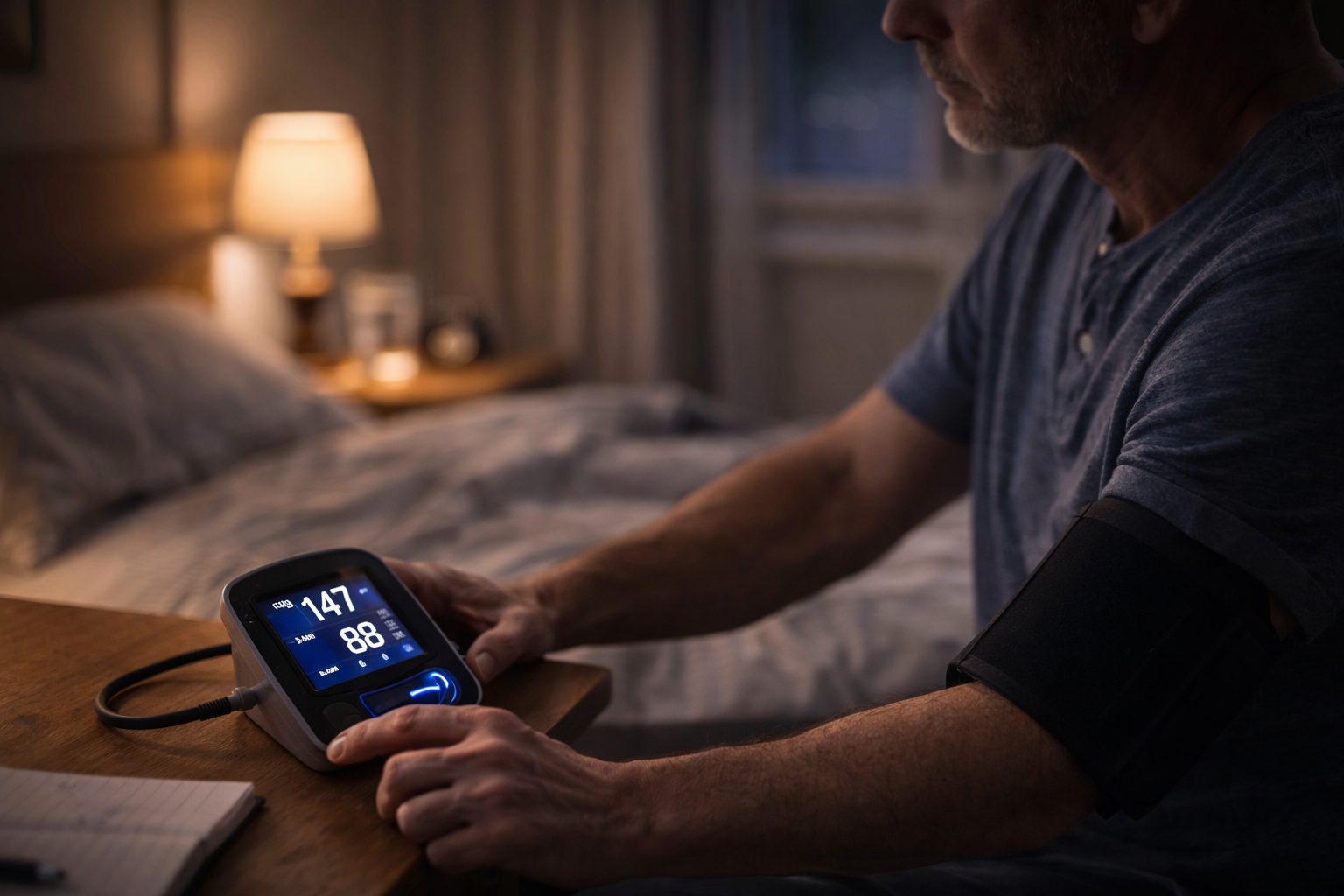
Ray's doctor gave him the handout everyone gets: lose seven percent of your body weight, walk 150 minutes a week, cut the soda and the white bread, come back in three months. It's good advice. Large studies show it can lower the risk of moving on to type 2 for many people.
Ray did all of it. He walked the track with the JV kids after practice. He gave up the Big Red. Teresa swapped the flour tortillas for corn. He lost nine pounds by the end of the season. And the cravings? Louder than ever. "I'm eating like a monk," he told Teresa, "and I'm hungrier than I was in August."
Doing the handout and the cravings and the morning number won't quiet down?
See the signal the handout never mentionsThe signal hiding behind the cravings
Here's the part that finally made sense to Ray. The message that tells your brain "you're full" and the message that tells your body "use your insulin now" travel on the same natural signal. When that signal starts to fade, two things happen at once: the hunger gets louder, and the insulin you do make stops getting used the way it should. The number climbs even when the plate gets smaller.
That's why so many people with prediabetes say the exact same thing: "It's not willpower." It isn't. A physician with thirty years in medicine came to that conclusion beside his own wife's hospital bed, after three years of her following every instruction and watching her number go up anyway. He stopped asking how to replace what her body wasn't doing and started asking what was stopping it from doing it on its own.
What he built from that is a short morning ritual. It starts with an ingredient mentioned more than thirty times in Scripture, though not the kind sitting in most pantries, and it isn't the honey-and-cinnamon recipe that's all over the internet. Which kind he uses, what goes with it and why it has to happen early, is what he lays out in his presentation, along with a study of identical twins that explains why the same family can split down the middle on this.
What Ray keeps by the coffee pot now
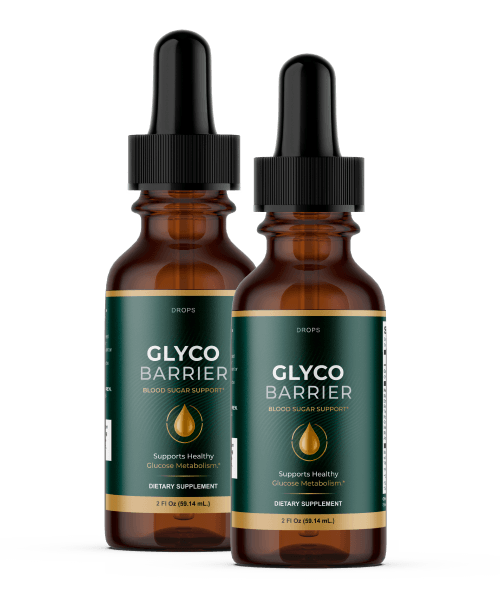
Ray's brother-in-law, Hector, sent him the presentation the week Teresa started planning Thanksgiving with a text that just said: "Watch it before you buy the pie." Ray watched it at the kitchen table on a Sunday with Teresa. At the end the physician mentions a supplement made to support the body's own blood sugar balance around the clock. It's called Glyco Barrier. Teresa read the label out loud:
- Chromium picolinate, a mineral studied for how the body responds to its own insulin.
- Gymnema sylvestre leaf, a traditional herb for healthy glucose metabolism and for quieting sweet cravings.
- Green tea leaf, for antioxidants and gentle metabolic support.
- Coleus forskohlii root and maca root, for how the body uses stored fuel and for steadier energy.
He took the label to his doctor, who told him to keep walking, keep the weight coming off, and recheck the A1c in three months. Weeks 1 and 2: nothing he'd put on a stat sheet. Weeks 3 to 6: the 9 p.m. fridge trips got rare, and he stopped waking up thirsty. Month 2: his fasting reading at the pharmacy kiosk said 104. His recheck is in January. Results vary, and some people will still need more from their doctor. That isn't failure.
It may suit you if you have prediabetes or early type 2, you've already started on the diet and the walking, and the cravings or the number won't follow. Skip it or ask your doctor first if you have type 1, take insulin or another glucose-lowering medicine, have kidney or liver problems, or are pregnant or nursing. The order page shows a 60-day satisfaction promise from the date of purchase.
Prediabetes is the stage where the number can still turn around. Every season you wait, it gets harder to move.
Watch the morning ritual before your recheckP.S. Ray still carries the gallon jug to practice. He says the difference is he brings half of it home now. If you've been blaming your own thirst on the weather, watch what Hector sent him, and ask your doctor for an A1c at your next visit.
Further Reading
How Can I Lower My A1c?
Nadine did everything on the handout and went from 7.2 to 7.3
What Is A1c?
The three-month number, explained plainly
Sources: American Diabetes Association, Standards of Care in Diabetes, 2026 (diagnosis and classification; prevention or delay of type 2 diabetes). Centers for Disease Control and Prevention, About prediabetes; National Diabetes Prevention Program.
Medical Disclaimer: This article is for informational purposes only and does not constitute medical advice. Results vary. Statements about supplements have not been evaluated by the Food and Drug Administration, and supplements are not intended to diagnose, treat, cure or prevent any disease. Never stop or change a prescribed medication without talking to your doctor.