Is Honey Good for Diabetes? Dot Drank Honey and Cinnamon Every Morning for a Year. Here's What Her Number Did
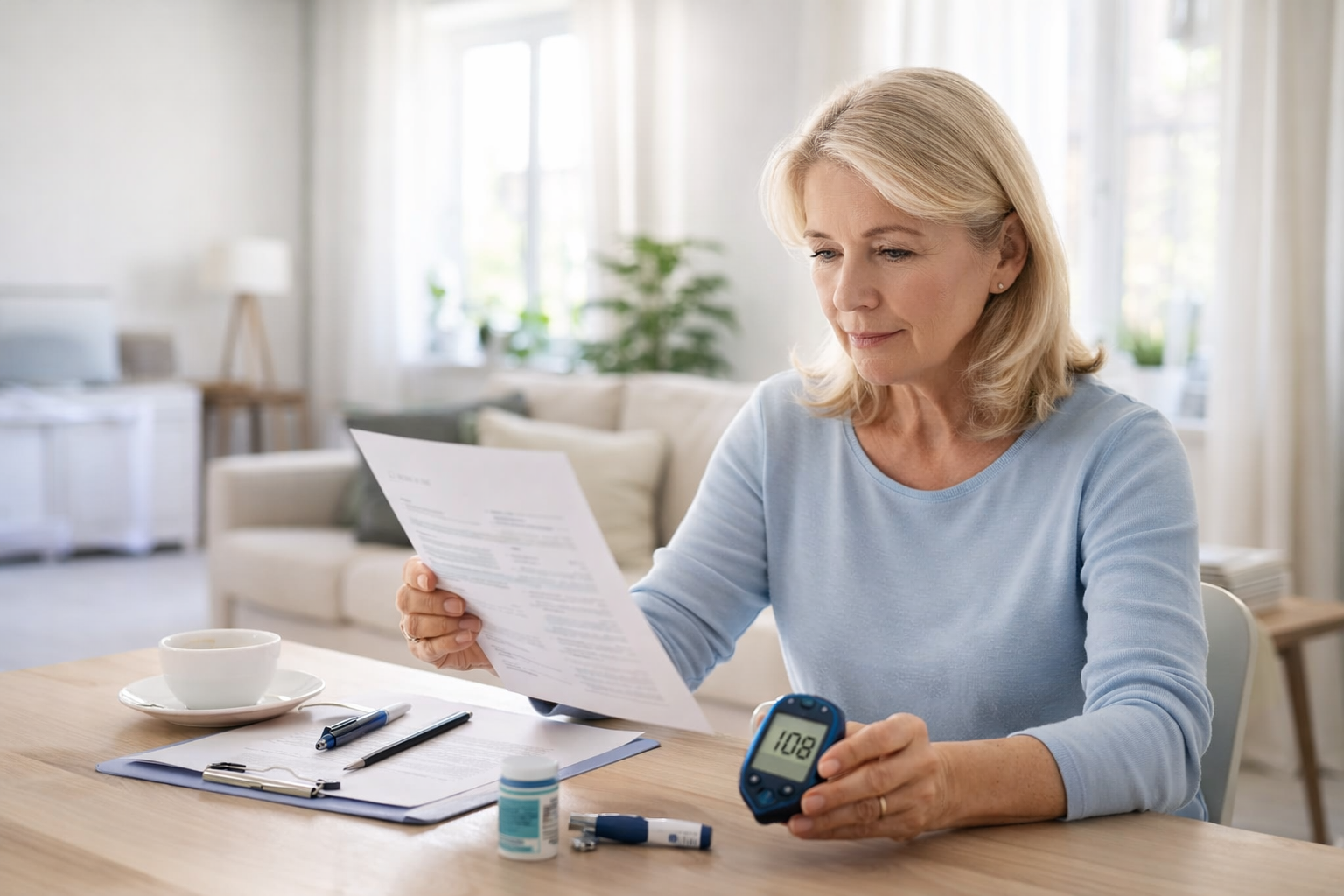
Is honey good for diabetes? Honey is still sugar. It tends to raise blood sugar a little more gently than table sugar, and a few small studies suggest some raw honeys may nudge fasting numbers slightly, mostly in people without diabetes. But at least one trial in adults with type 2 found a daily spoonful raised A1c over eight weeks. Honey for diabetics is, at best, a gentler sweetener. It is not a treatment, and the honey-and-cinnamon morning trick never asks why your number climbs in the first place.
Dot, 67, found the recipe the way a lot of us find things now: a friend from church shared it on Facebook with three exclamation points. A tablespoon of raw local honey and half a teaspoon of cinnamon stirred into warm water, first thing every morning, before coffee. "Lowers blood sugar naturally," the post said. Twelve thousand shares. Dot, a retired church secretary from Tulsa with type 2 diabetes for six years, figured twelve thousand people couldn't all be wrong.
She made it every single morning for a year. She bought the good honey from the farmers market, the cloudy kind, nine dollars a jar. And in August, her A1c came back at 7.6. The year before, it had been 7.5.
"I wasn't even mad," she told us. "I was confused. I'd been so good."
What the studies say about honey for diabetics
If you've searched "is honey good for diabetes" or "honey treatment for diabetes," you've seen both answers, often on the same page. Here is the plain version.
- Honey is mostly sugar. About 17 grams of carbohydrate in a tablespoon, a mix of fructose and glucose. It counts.
- It may spike a bit more gently than table sugar, because of that fructose, but the difference varies from jar to jar and is often small.
- A 2022 review of eighteen small trials suggested some raw, single-flower honeys might lower fasting sugar slightly. Most of the people in those trials did not have diabetes, and the amounts were modest.
- A trial in adults with type 2 who added about 50 grams of honey a day for eight weeks saw their A1c go up, not down.
So when Dot swapped two spoons of sugar in her coffee for one spoon of honey in warm water, she may have done herself a small favor. When she added a spoon of honey she wasn't eating before, every morning, for a year, she added about 6,000 grams of sugar to the calendar. The cinnamon couldn't undo that, and we wrote about why the cinnamon alone rarely moves the number in our piece on Ceylon cinnamon.
In plain English: honey is a nicer sugar, not a medicine. Any morning drink built around it is starting with the very thing your body is struggling to handle.
Why the trick is so believable
The honey recipe spreads because it feels right. It's natural, it's old, it's in the kitchen already, and it promises the one thing every person with type 2 wants: something you can do yourself, at home, before the day starts.
That instinct is good. Dot's instinct was good. A morning routine you make in your own kitchen is exactly the kind of thing people stick with. The problem was never the idea of a morning drink. It was the ingredient at the center of it, and the question it never asked.

The question the honey trick never asks
Every reading on your meter is the end of a chain. When you eat, your gut is supposed to send a signal that does two jobs at once: tell your pancreas to release insulin right on time, and tell your brain you've had enough. That signal has a name you've heard on television lately, usually attached to a very expensive weekly shot. It's GLP-1, and your body makes its own.
When that natural signal fades, two things show up together, and Dot had both. Her insulin arrived late, so the sugar from every meal lingered. And she was hungry again an hour after breakfast, which is when the second cup of honey water started. No sweetener, however natural, touches that signal. You can't sweeten your way out of a slow response.
That's the part Dot's great-niece, a nursing student in Oklahoma City, wanted her to hear. She sent Dot a long presentation from a researcher whose own family member did everything she was told for years and still watched her number climb. The researcher walks through why the usual advice focuses on the number, a study of identical twins that changed how she looks at it, and a short morning routine built around an oil, not a sweetener, that's mentioned dozens of times in Scripture. She is very specific that it is not the honey-and-cinnamon drink going around online, and she explains why. We're not going to give the routine away here. It's hers to explain, and she does it step by step.
Did the honey recipe fail you too? The morning ritual wasn't the mistake. What went in the cup was.
See the morning routine that isn't honeyWhat Dot changed, and what she didn't
She kept the morning. "I like standing at the window with something warm before the house wakes up. I wasn't giving that up." What she gave up was the honey, and the second cup.
She watched the presentation twice, the second time with her great-niece on speakerphone. At the end of it is a small bottle of drops meant to support the body's own blood sugar balance between meals, the stretch that actually builds an A1c. She printed the label and took it to her pharmacist to check against her metformin, which was fine, and she told her doctor at her next visit.
- Week 1. No honey, drops morning and evening, same window. "I missed the honey more than I want to admit."
- Weeks 2 and 3. The ten o'clock hunger that used to send her back to the kettle came later, and some days not at all.
- Month 1. More fasting readings under 130 than over it, without cutting anything else out.
- Months 2 and 3. The stretch the next A1c is built from. Her draw is in November, and she says she'll judge by that, not by any one morning.
Why so gradual? Because the A1c reflects roughly three months of blood, and because six years of a fading signal doesn't turn around in a week. Individual results vary, and nothing here replaces your medication or your doctor.
Twelve thousand people shared the honey recipe. Dot is the one who found out what it was missing.
Watch the video Dot's great-niece sent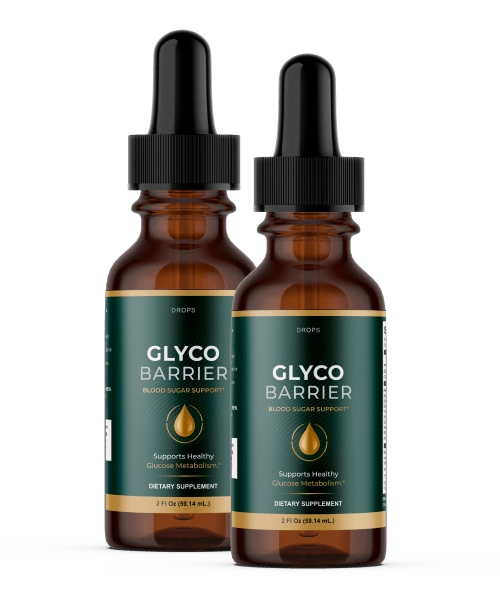
Before you watch: who this is for
It may be for you if you have type 2 or prediabetes, you've tried the kitchen remedies, the honey, the cinnamon, the vinegar, and your number keeps drifting up anyway.
Talk to your doctor first if you take insulin or any medicine that lowers blood sugar, you're pregnant or nursing, you have kidney or liver problems, or your readings are running very high with heavy thirst or blurry vision. And if you do use honey, count it as sugar, measure it, and never use it to treat a low unless your doctor has told you to.
Keep the warm cup at the window. Change what's in it, and find out what your body has been missing every morning.
Show me why the honey never workedP.S. Dot reshared the honey post last week, with one line on top: "Keep the morning, lose the honey. Ask me why." Eleven people did. If you're standing at your own window with a spoon in a jar right now, watch what she watched first.
Further Reading
Ceylon Cinnamon for Blood Sugar
Why the spice alone so rarely moves the number
What Your 3 P.M. and 9 P.M. Sugar Cravings Are Trying to Tell You
The natural GLP-1 signal most A1c advice skips
Sources: Ahmed A, et al. Effects of honey on cardiometabolic risk factors: a systematic review and meta-analysis. Nutrition Reviews, 2022. Medical News Today, "Is honey good for people with diabetes?" (summary of human trials, including an 8-week trial in adults with type 2 diabetes). USDA FoodData Central, honey. Reader accounts are shared with permission; names and some details have been changed. The views of the researcher featured in the presentation are her own and have not been independently verified by MetabolicDaily.
Medical Disclaimer: This article is for informational purposes only and does not constitute medical advice. Results vary. Statements about supplements have not been evaluated by the Food and Drug Administration, and supplements are not intended to diagnose, treat, cure or prevent any disease. Consult your healthcare provider before starting any supplement, especially if you take medication for blood sugar.