Natural Type 2 Diabetes Medication? Earl Asked His Pharmacist for "Something Natural" Instead of a Second Pill. What She Told Him Sent Him Looking Somewhere Nobody Had Mentioned
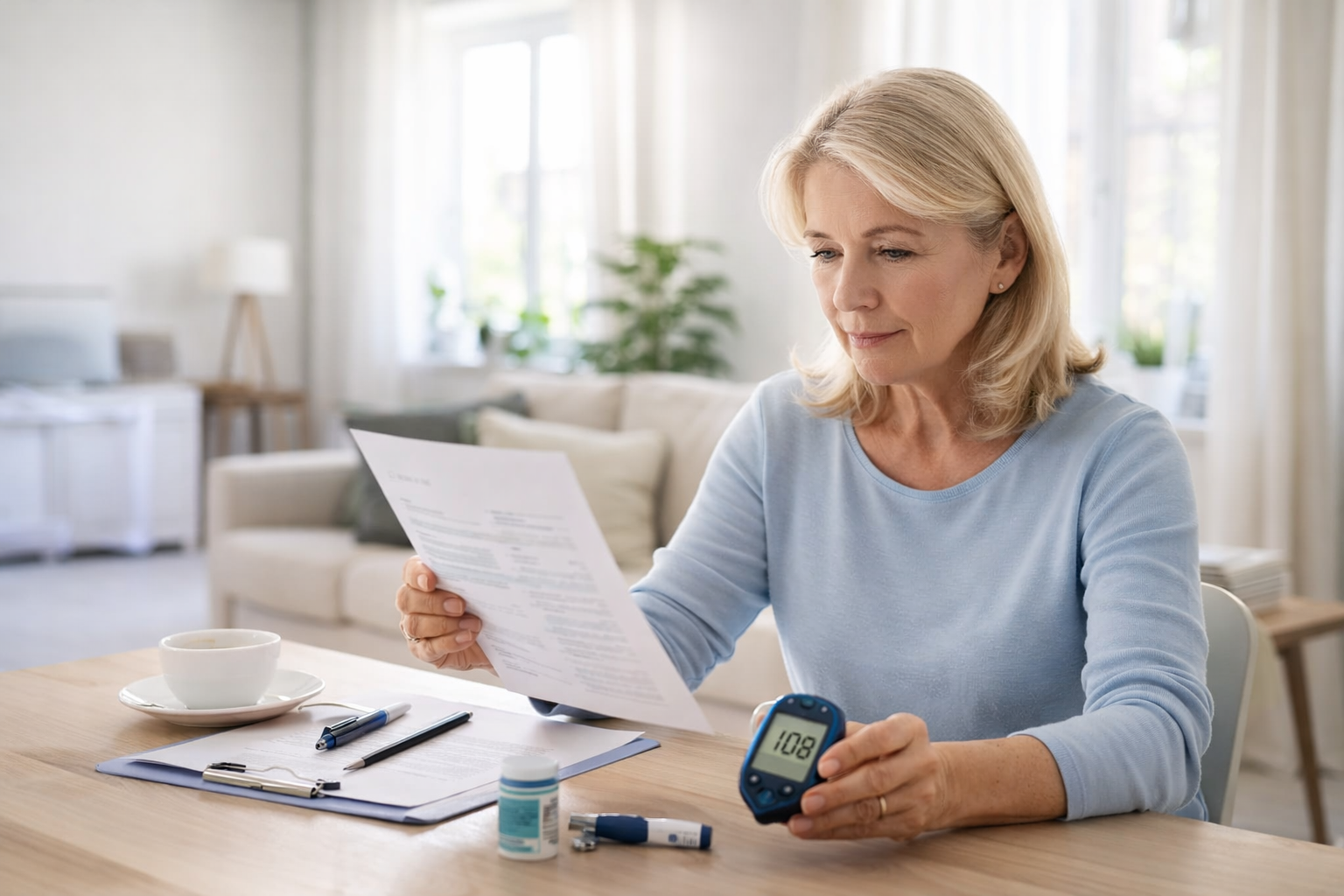
Is there a natural type 2 diabetes medication? No herb or supplement is a replacement for the medicine your doctor prescribes, and you should never stop or swap a prescription on your own. What does exist is natural support: daily movement, weight loss if you need it, more fiber and protein, better sleep, and a few nutrients and plant extracts that have been studied for how the body responds to its own insulin. Many people use them alongside their medication, with their doctor's okay. If your numbers keep rising even with all of that, the question worth asking is what's getting in the way of your body using its own insulin in the first place.
Earl, 64, drove a long-haul truck out of Amarillo, Texas for twenty-nine years, the last eleven of them with type 2 diabetes riding along in the cab. He took his metformin with his first coffee at every truck stop between Texas and Ohio. In September, two months after he retired, his doctor looked at an A1c of 7.8 and said the words Earl had been dreading: "I think it's time to add a second medication."
Earl asked for a month. That night his wife, Nadine, found him at the kitchen table with his reading glasses on, typing natural type 2 diabetes medication into the search bar with one finger.
"I'm not against pills," he told her. "I'm against adding one every time the number goes up, like I'm stacking pallets."
What his pharmacist told him
The next morning he asked the pharmacist at the counter, a woman who has filled his prescriptions since 2015, whether there was "something natural" he could take instead of a second pill. She didn't laugh at him. She told him three things he repeated to Nadine word for word:
- "Don't stop or skip anything on your own." Metformin and the medicines that come after it are some of the most studied drugs there are. Dropping them on a hunch is how people end up in the hospital.
- "Natural doesn't mean nothing." Some supplements can lower blood sugar enough to stack with your prescription, and some interact with other medicines. Anything you add, your doctor and pharmacist should know about.
- "But yes, there are things that help." Walking after meals, losing even five to seven percent of your weight, more fiber and protein, better sleep, and certain nutrients and plant extracts that have been studied for insulin response.
Earl did all of the third one. He walked the fence line every evening. He traded the gas-station honey buns for eggs and beans. He bought a berberine supplement, then a cinnamon one. After four weeks his fasting numbers had dropped from the 160s to the 150s. Then they sat there.
Why "more of the same" stops working
Here's what nobody had explained to Earl in eleven years. In most people with type 2, the pancreas still makes insulin. The problem is that the insulin isn't being used well. A second pill, a stricter diet, a new capsule: most of them work on the same two levers, how much sugar comes in and how hard the body pushes to get it out. When both levers are already pulled, pulling them harder buys less and less.
There's a physician with thirty years in practice who looks one step further back. After his own wife followed every instruction her doctors gave her for three years and still ended up in a hospital bed, he went looking at the place where insulin is actually made. What he describes finding there is something he believes can settle in quietly and interfere with insulin before the body ever gets to use it, something routine bloodwork doesn't show and a diet sheet was never built to touch.
If you're walking, eating right, taking your pills, and the doctor still wants to add another one, a physician explains what may be sitting where your insulin is made.
See what he found where insulin is madeWhat his old dispatcher sent him
Earl still talks every Sunday afternoon with Lupe, 67, who dispatched his routes for fifteen years and has had type 2 longer than he has. When he told her about the second pill, she said, "I was there two years ago. I took the second one. I also found something that made sense of why I needed it." That evening she texted him a presentation.
In it, the physician walks through what he found, and the short morning ritual he now makes for his wife at home, built around olive oil, a couple of things already in most kitchens, and a particular hour of the morning. He's exact about the details, which olive oil, what goes in with it, and when, and he explains why it's different from the honey-and-cinnamon drinks people pass around online. Earl watched it twice. Nadine watched it once and then wrote three questions on the back of an envelope to take to his doctor.
Lupe had already taken the second pill. This is the presentation she texted Earl that Sunday, the one that finally explained why.
Watch the olive oil ritual Lupe sentWhat's on Earl's table now
At the end of the presentation, the physician talks about a supplement designed to support the body's own blood sugar balance through the whole day, including the long hours between meals that a walk and a diet don't reach. It's called Glyco Barrier. Earl spent twenty-nine years checking his load sheets twice, so he checked this label twice too, and then took it to his doctor along with Nadine's envelope. His doctor said nothing on it conflicted with his metformin, to keep logging his numbers, and that they'd look at the second-pill question again at the next visit.
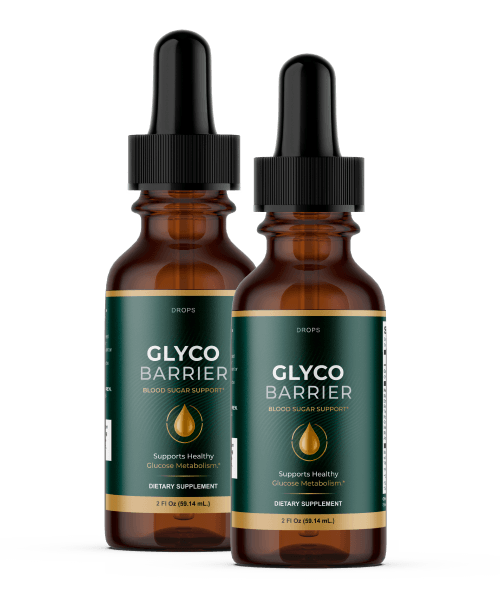
- Chromium picolinate. A mineral studied for how well the body responds to its own insulin. "The part the pills were pushing against," he said.
- Gymnema sylvestre leaf. A traditional herb for healthy glucose metabolism and for quieting sweet cravings, which mattered more than he'd admit.
- Green tea leaf. Antioxidants and gentle metabolic support.
- Coleus forskohlii root. Supports how the body uses stored fuel.
- Maca root. Traditionally used for steadier energy through the day.
What he noticed, and when
- Weeks 1 and 2. Drops morning and evening, same metformin, same fence-line walks. Nothing he'd bet his rig on.
- Weeks 3 to 6. The fasting numbers that had parked in the 150s started showing up in the 130s on most mornings.
- Month 2. The afternoon slump that used to send him to the recliner after lunch got shorter.
- Month 3. His A1c recheck is in December. The second-pill conversation is on hold until then, by his doctor's choice, not his.
Why so slow? Because your A1c is built from about three months of blood, and anything aimed at how your body uses its own insulin needs weeks before the lab can see it. Results vary from person to person, and some people will still need the second medication. That isn't failure. It's what the medication is for.
Before you watch: who this is for
It may be for you if you have type 2 or prediabetes, you're already doing the walking and the eating, and the number keeps creeping toward "time to add something."
Talk to your doctor first if you take insulin or any medicine that lowers blood sugar (including metformin), you're pregnant or nursing, you have kidney or liver problems, or your readings are running very high. Never stop a prescription to try a supplement. The order page shows a 60-day satisfaction promise from the date of purchase.
Earl didn't want to stack another pallet without knowing why. If the doctor has just said "second medication" to you, this is what he and Nadine watched before the next visit.
See what Earl took to his doctorP.S. Earl still takes his metformin with his first coffee, out of the same dented thermos that rode with him from Amarillo to Toledo a few hundred times. If you're sitting at your own kitchen table tonight typing "natural" into a search bar, watch what Lupe sent him first, and then take your questions to your doctor the way Nadine did.
Further Reading
How to Get Rid of Sugar in Your Body
Dolores drank a gallon of water a day. Her meter still said 196
Berberine Not Working for Blood Sugar?
Why one capsule can stall, and what it doesn't reach
Sources: American Diabetes Association, Standards of Care in Diabetes, 2026 (pharmacologic approaches to glycemic treatment; dietary supplements). National Center for Complementary and Integrative Health, diabetes and dietary supplements.
Medical Disclaimer: This article is for informational purposes only and does not constitute medical advice. Results vary. Statements about supplements have not been evaluated by the Food and Drug Administration, and supplements are not intended to diagnose, treat, cure or prevent any disease. Never stop or change a prescribed medication without talking to your doctor. Consult your healthcare provider before making changes to your health routine or medications.