Olive Oil Drink for Diabetes: June Made the Viral Morning Glass for Four Months. Why Her Bottle Was the Problem
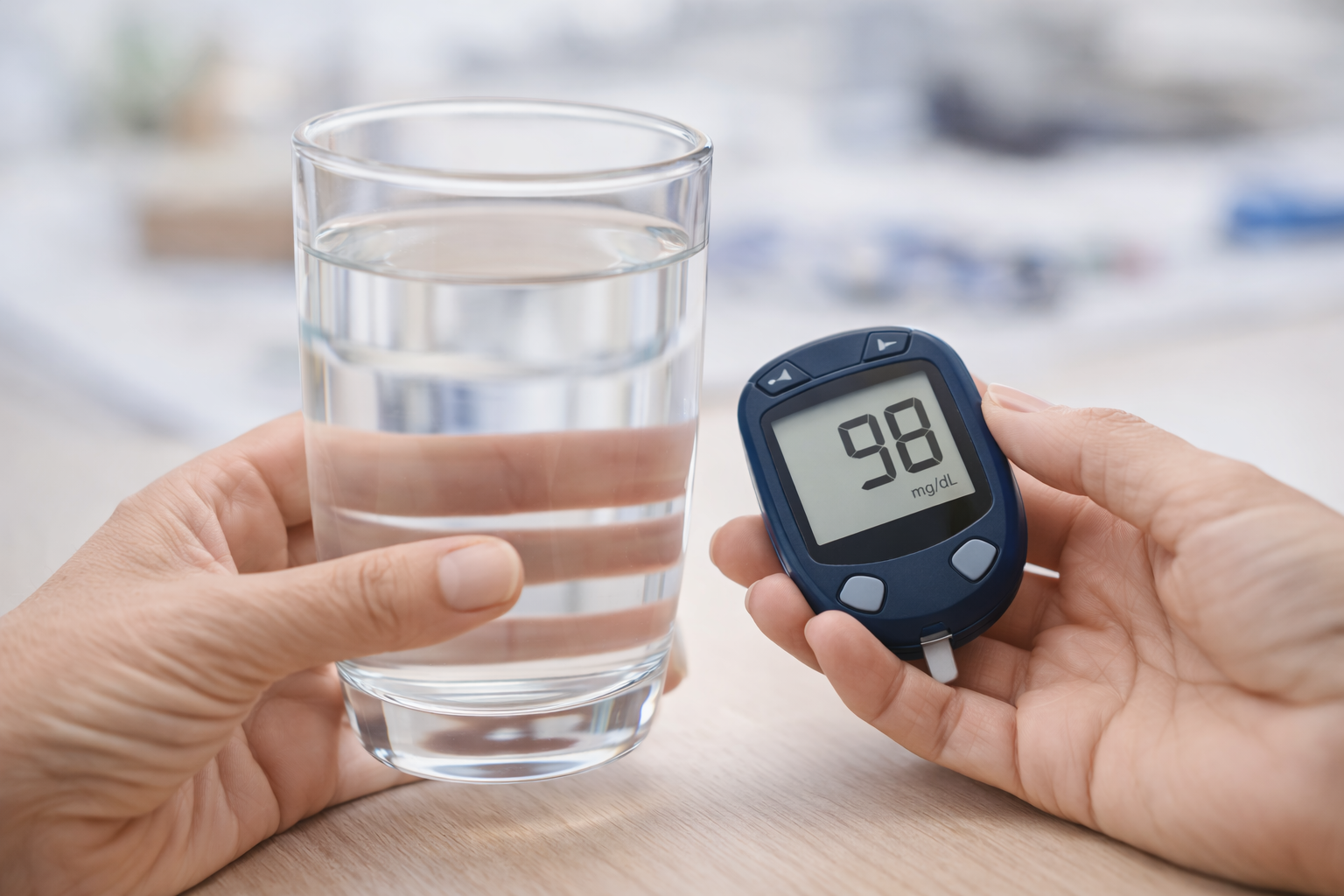
Does an olive oil drink help with diabetes? Olive oil has real research behind it. In studies of people with type 2 diabetes, diets rich in olive oil, especially extra virgin, have been linked to modestly lower A1c and better insulin response. But most viral "olive oil drink for diabetes" videos skip two things that decide whether the glass does anything at all: which oil goes in it, and what the oil is supposed to be helping your body do. Without those, it's a glass of fat with lemon.
June, 65, saw the video on a Tuesday night in May. A woman in a bright kitchen poured a tablespoon of olive oil into warm water, squeezed half a lemon over it, added a pinch of cinnamon and drank it in one go. "Do this every morning before breakfast," the caption said, "and watch what happens to your blood sugar." June, a retired bank teller from Wichita with type 2 for eight years, wrote the recipe on an index card and taped it inside the cabinet door.
She made it every morning for four months. Same glass, same lemon, same time. And when she checked her fasting numbers against the log she'd kept since spring, they hadn't moved. Her A1c in September: 7.3. In March it had been 7.2.
"I wasn't angry at the video," she told us. "I was angry at me. I figured I did it wrong." It turns out she had, though not in the way she thought.
What the research on olive oil and diabetes actually says
If you've typed "olive oil drink for diabetes" or "olive oil mixture for diabetes" into a search bar, here is the honest summary, without the exclamation points.
- Olive oil is one of the better-studied foods in this area. A review that pooled trials in people with type 2 diabetes found that olive oil-rich eating patterns were associated with a small but real drop in A1c, on the order of a quarter of a point.
- Much of the evidence comes from extra virgin oil used as part of a Mediterranean-style diet, not from a single shot in the morning. The large Spanish trial most people cite gave participants about four tablespoons of extra virgin oil a day, in their meals.
- The type matters. Extra virgin olive oil keeps far more of the plant compounds called polyphenols than refined or "light" olive oil, which is processed with heat and chemicals and loses most of them along the way.
- It is still oil. About 120 calories a tablespoon. A daily glass added on top of everything else can quietly add weight, which works against the A1c.
So the idea behind the video isn't silly. Olive oil earns its reputation. The problem is everything the video left out.
What was actually in June's glass
When June's nephew came by in September, he did what twenty-somethings do: he opened her pantry and started reading labels. The olive oil she'd been pouring every morning for four months was a big plastic jug from the warehouse store, the kind marked "Light Tasting." She'd picked it on purpose. "The video said it shouldn't taste strong."
That jug is refined oil blended for a mild flavor. Most of what researchers think makes olive oil interesting had been processed out before it ever reached her cabinet. "So I spent four months drinking the part that doesn't do anything," June said, "and none of the part that might."
The first missing question: which oil? Not all of it is the same, and the label on the front of the bottle doesn't always tell you what's inside the way you'd expect.
If you've been making the morning glass and the meter hasn't noticed, the oil may not be the only thing the video got wrong.
See what the viral recipe leaves outThe second missing question: what is it supposed to be helping?
This is the one that changed June's thinking. Even the right oil, in the right amount, isn't magic dissolving sugar in your blood. If it helps, it helps by supporting something your body is supposed to be doing on its own.
Every time you eat, your gut sends out a signal that tells your pancreas to release insulin at the right moment and tells your brain you've had enough. That signal has a name most people only know from commercials for weekly injections: GLP-1. Your body makes its own. In many people with type 2, that natural signal fades over the years. When it does, two things tend to happen together. The insulin you make gets used less well, so the number drifts up even when you eat carefully. And the "I'm full" message gets quieter, so the cravings get louder.
June recognized herself in that right away. "The 3 p.m. cookie," she said. "Every day, like an alarm clock. I thought that was just me being weak." It may never have been a willpower problem at all.
A glass of the wrong oil, at a random hour, with nothing else changed, was never going to touch that. And none of the videos she'd watched even mentioned it.
The presentation June finally sat through
Her nephew, who is in pharmacy school, sent her a long presentation he'd come across, by a physician with three decades in practice whose own wife's A1c kept climbing despite years of doing everything her doctors asked. It's about an hour. June watched it in two sittings, with a notepad.
The presenter explains how a study of identical twins, same genes and same kitchen growing up, only one with type 2, changed how he thought about the problem. He describes a short morning ritual built around an oil mentioned many times in Scripture, and he is very particular about which kind and when it's taken. He also explains why it isn't the honey-and-cinnamon drink that has been making the rounds. We won't lay out his routine here. It's his to explain, and the details are the whole point.
June's verdict: "The video in May gave me a recipe. This gave me the reason. That's the part I'd been missing."
Four months of the wrong glass taught June one thing: the details aren't optional.
Watch the oil ritual, explained properlyWhat changed in June's mornings
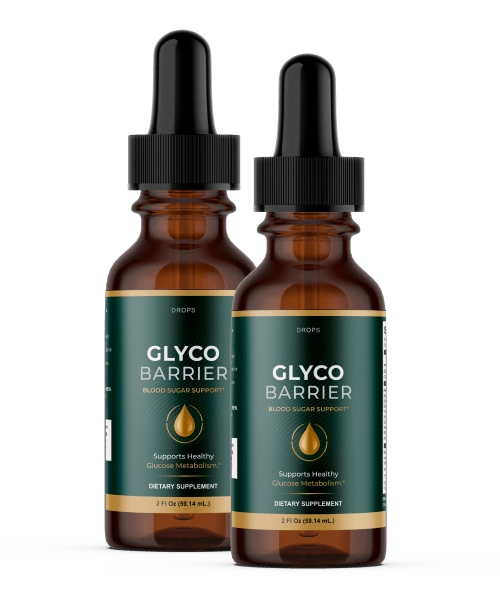
The light-tasting jug went to her church kitchen for frying. The index card came down from the cabinet door. And at the end of the presentation June found a bottle of drops meant to support the body's own blood sugar balance between meals, the stretch where her numbers kept drifting. She didn't order that night. She printed the label and took it to her pharmacist, who checked it against her metformin, said it wouldn't interfere, and told her to mention it to her doctor, which she did at her October visit.
- Week 1. Drops morning and evening, real extra virgin oil on her salads, same breakfast. Nothing she could see on the meter.
- Weeks 2 and 3. The 3 p.m. cookie alarm came later, then some afternoons it didn't ring at all.
- Month 1. More fasting readings under 130 than over it, for the first time since she started keeping the log.
- Months 2 and 3. The stretch her next A1c is built from. Her draw is in December, and she says she'll judge by that, not by one good morning.
Why so gradual? Because an A1c reflects roughly three months of blood, and eight years of a fading signal doesn't turn around in a week. Individual results vary, and nothing here replaces your medication or your doctor.
Before you watch: who this is for
It may be for you if you have type 2 or prediabetes, you've tried the kitchen drinks, the olive oil, the honey, the vinegar, the cinnamon, and your number keeps drifting anyway, especially if afternoon or evening cravings feel stronger than they used to.
Talk to your doctor first if you take insulin or any medicine that lowers blood sugar, you're pregnant or nursing, you have gallbladder, kidney or liver problems, or your readings are running very high with heavy thirst or blurry vision. And if you keep drinking olive oil, count it in your calories and use extra virgin.
Keep the morning habit. Put the right thing in it, and find out what your body has been asking for all along.
Show me the morning June switched toP.S. June taped a new index card inside the cabinet door. It has two lines on it: "Which oil?" and "For what?" If you've got a jug of light-tasting oil and a glass on the counter right now, watch what she watched before tomorrow morning.
Further Reading
Is Honey Good for Diabetes?
A year of honey and cinnamon, and what the number did
What Your 3 P.M. and 9 P.M. Sugar Cravings Are Trying to Tell You
The natural GLP-1 signal most A1c advice skips
Sources: Schwingshackl L, et al. Olive oil in the prevention and management of type 2 diabetes mellitus: a systematic review and meta-analysis. Nutrition & Diabetes, 2017. Estruch R, et al. Primary prevention of cardiovascular disease with a Mediterranean diet supplemented with extra-virgin olive oil or nuts (PREDIMED). New England Journal of Medicine, 2018. USDA FoodData Central, olive oil. Reader accounts are shared with permission; names and some details have been changed. The views of the physician featured in the presentation are his own and have not been independently verified by MetabolicDaily.
Medical Disclaimer: This article is for informational purposes only and does not constitute medical advice. Results vary. Statements about supplements have not been evaluated by the Food and Drug Administration, and supplements are not intended to diagnose, treat, cure or prevent any disease. Consult your healthcare provider before starting any supplement, especially if you take medication for blood sugar.