Pre Diabetic Meal Plan: Pauline Followed It to the Letter for Six Weeks. The Plan Worked. The Hunger at 4 p.m. Didn't Read It

What does a good pre diabetic meal plan look like? Half the plate non-starchy vegetables, a quarter lean protein, a quarter high-fiber starch like beans or whole grains, water or unsweetened drinks, three meals at steady times, and a light supper. Eat the vegetables and protein first. Pair it with a short walk after meals and a recheck of your A1c in 6 to 12 months. If you still get hungry two or three hours after a good meal, mention it to your doctor; it can be part of the picture.
Pauline, 60, has owned a flower shop in Springfield, Missouri, for twenty-two years. Weddings in June, funerals all year, and from now until New Year's, centerpieces stacked to the ceiling. At her physical in September her A1c came back 6.1 and the doctor's office printed her a one-page meal plan. "I'm a florist," she said. "I can follow a pattern." So she did. Exactly. Six weeks.
The plan worked, mostly. Her fasting number came down from the 110s to the low 100s. Five pounds came off. But every afternoon around four, when the delivery van came back, she found herself in the break room eating the grocery-store cookies her driver brings in. So last Sunday, three weeks before her busiest Thanksgiving in years, she went looking for a better pre diabetic meal plan. "I figured I had the wrong one."
A pre diabetic meal plan that actually holds up
There isn't one magic menu. There's a pattern, and the pattern matters more than any single food. Here's what the evidence supports, and a sample day:
- Use the plate method. Half the plate vegetables that aren't starchy (salad, green beans, broccoli, peppers), a quarter protein (chicken, fish, eggs, tofu, lean beef), a quarter starch with fiber (beans, lentils, brown rice, a small sweet potato, whole-grain bread).
- Eat in order. Vegetables and protein first, the starch last. It can noticeably soften the sugar rise after a meal.
- Breakfast with protein. Eggs and a slice of whole-grain toast, or plain Greek yogurt with berries and a few nuts, beats cereal or a muffin.
- Lunch built to last. A big salad with chicken and a scoop of beans, or soup with lentils and a side of vegetables.
- Supper lighter and earlier. Fish or chicken, two vegetables, a small starch. A late, heavy, starchy supper shows up on the next morning's fasting number.
- Snacks that don't spike. A handful of nuts, cheese and an apple, hummus and carrots.
- Drinks. Water, unsweetened tea, black coffee. Soda, juice and sweet tea are the first things to drop.
Add a 10 to 15 minute walk after meals, aim for losing 5 to 7 percent of your weight if you have it to lose, and ask about a CDC-recognized diabetes prevention program. Medicare covers a version of it for people who qualify.
Don't wait on these. Extreme thirst, urinating much more than usual, blurry vision, unexplained weight loss, or cuts that won't heal can mean your sugar is already in the diabetes range. Call your doctor rather than waiting for the next recheck.
Pauline followed the plan. It helps, but…
Pauline's one-page plan was a good plan. She swapped the drive-thru biscuit for eggs, brought her salad in a mason jar, and walks around the square after closing. Her body noticed. Her number came down. "Nobody can tell me the plan doesn't work," she said. "It works until four o'clock."
She wrote it down the way she writes down an order: "Lunch 12:15. Hungry 3:45. Cookies 4:00." Every day. A good lunch, and three hours later her body acted like she'd skipped it. And the weeks she gave in to the cookies, her morning numbers crept back toward 110. That's not a lack of discipline. Pauline arranges three hundred stems on a Saturday without a mistake. It's a clue, and the one-page plan doesn't mention it.
Following the meal plan and still hungry three hours after a good lunch?
See what a physician says the meal plan leaves outThe signal a meal plan can't print

After you eat, your gut releases a natural messenger that does two jobs at once: it tells your brain "you're full," and it tells your body "use your insulin now." When that signal is strong, a meal gets put away properly and you stay satisfied for hours. When it fades, hunger comes back soon after eating, the snacks follow, and the fasting number drifts up over the years, even in people following a meal plan carefully. Pauline's four o'clock cookies and her stubborn low 100s may be two ends of the same thread.
A physician with thirty years in practice built an hour-long presentation around that signal after watching his own wife's numbers climb for three years while she did everything she was told, until she ended up in the hospital. His answer runs through a study of identical twins, same genes, same dinner table, where only one developed type 2, and a short morning step with an olive oil mentioned many times in Scripture. It isn't the honey-and-cinnamon recipe going around online. Which oil, with what, and at what time of the morning, he explains himself, and we won't try to retell it here.
Prediabetes is the stage where the body still listens. The right signal, early, matters more than the perfect menu.
Watch what the twin study showed himWhat Pauline added to the plan
The link came from her sister Rosemary, 64, a retired church secretary who got her own prediabetes letter four years ago and has been under 5.7 for the last two. Rosemary came in to help with funeral sprays in October, and at four o'clock she walked right past the cookies. "How?" Pauline asked. Rosemary sent her the presentation that night and said, "Watch the whole hour. Then call your doctor."
Pauline watched it at the kitchen table with the meal plan in front of her. At the end, the presentation introduces Glyco Barrier, a daily formula built to support that natural signal. Her doctor's nurse told her to keep the plate method, the walks and the earlier supper, to recheck the A1c in March, and that the formula could go alongside the plan.
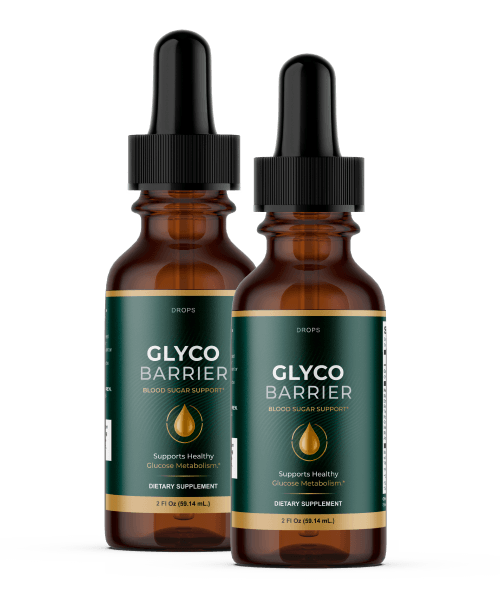
What Pauline wants to see first is four o'clock passing without the break room, and then the morning number under 100 before Christmas. Results vary from person to person, and her recheck will tell her more than any single morning can.
Glyco Barrier doesn't replace your doctor, your lab work or a prevention program. Ask your doctor before starting it if you take any medicine that lowers blood sugar, have kidney or liver problems, or are pregnant or nursing.
November is National Diabetes Month. If your plan is working everywhere except the hunger, that's worth an hour before the holidays.
See the morning routine before ThanksgivingSo, what's the best pre diabetic meal plan?
The plate method, eaten in order: vegetables and protein first, a small high-fiber starch last, water instead of sugar, three steady meals and an earlier, lighter supper. Walk after meals, lose a little weight if you can, and recheck your A1c on schedule. And if a good meal still leaves you hungry two or three hours later, don't blame yourself. Tell your doctor, because that hunger is tied to the same signal your fasting number reacts to. This article is for information only and isn't medical advice.
P.S. Pauline taped the meal plan inside the shop's cooler door, where she sees it every time she pulls a bucket of roses. Under it, in marker, she wrote: "4:00. Walk past the cookies." If you're the one following the plan to the letter and still losing the afternoon, watch what Rosemary sent her that night, before the holiday orders start.
Further Reading
How to Lower Blood Sugar If You Are Prediabetic
112 every morning, and what moved it
A Diabetic Diet at Thanksgiving
How to get through the big meal
Sources: Centers for Disease Control and Prevention, Prediabetes and the National Diabetes Prevention Program. American Diabetes Association, Standards of Care in Diabetes (nutrition therapy; prevention or delay of type 2 diabetes) and the Diabetes Plate Method. Diabetes Prevention Program Research Group, lifestyle intervention outcomes. Studies on food order and glucose response.
Medical Disclaimer: This article is for informational purposes only and does not constitute medical advice. Results vary. Statements about supplements have not been evaluated by the Food and Drug Administration, and supplements are not intended to diagnose, treat, cure or prevent any disease. Never stop or change a prescribed medication without talking to your doctor.