What Really Causes Type 2 Diabetes? Joan and Her Sister Grew Up at the Same Table. Only One of Them Got It

What really causes type 2 diabetes? Two things happening together: the body's cells stop responding well to insulin (insulin resistance), and the pancreas gradually can't make enough extra insulin to keep up. Family history, extra weight around the middle, inactivity, age, poor sleep and some medicines all raise the risk. But researchers keep finding people with the same risks who never develop it, which is why scientists are looking at what happens in the gut and the pancreas after a meal, not only at the sugar.
Joan, 66, counted money at the same bank branch in Tulsa for thirty-one years. She was diagnosed with type 2 at 58. Her younger sister Peggy, 63, who sat across from her at their mother's kitchen table for eighteen years, eating the same pot roast and the same Sunday pie, has never had a number above normal in her life. Last night, the first night of National Diabetes Month, Peggy called to say her annual bloodwork had come back "perfect again."
Joan hung up, sat on the edge of the bed, and typed what really causes type 2 diabetes into her phone. "Not the pamphlet answer," she said. "The real one. Because I've been doing the pamphlet for eight years."
What really causes type 2 diabetes?
The short version doctors give is true, as far as it goes. Type 2 usually builds over years:
- Insulin resistance: muscle, liver and fat cells stop answering insulin's knock on the door, so sugar stays in the blood.
- A tired pancreas: for a while the pancreas makes extra insulin to push through. Over time the cells that make it can't keep up, and the number starts climbing.
- Risk factors that stack up: a parent or sibling with diabetes, extra weight around the middle, little physical activity, age over 45, short or broken sleep, and some medicines such as steroids.
Notice the first risk factor on that list: a sibling. Joan's doctor told her years ago that genes "loaded the gun." But Peggy has the same genes, and her gun never went off. If it's genetic, why only Joan?
Know the warning signs. Constant thirst, getting up at night to urinate, blurry vision, slow-healing sores, or numbness in the feet are worth a call to your doctor this week. Readings over 300, confusion or trouble breathing need care right away. Never stop or change a prescribed medicine on your own.
Joan did everything the pamphlet said. It helps, but…
Joan has been the model patient. Metformin with breakfast since the day of the diagnosis. She gave up the Sunday pie in 2018, which her family still brings up at Thanksgiving. She walks the track at the high school three mornings a week. She lost fourteen pounds and kept them off. Every one of those things helps, and her doctor tells her so.
Her A1c went 7.1, 7.3, 7.2, 7.6. And she is hungry in a way Peggy has never been. "Peggy eats half a sandwich and forgets about food until supper," Joan said. "I eat the whole sandwich and I'm in the pantry by three. Same mother. Same kitchen. Different stomach."
Same family, same habits, and only you got the diagnosis?
See what a physician says the family-history answer leaves outThe question genes can't answer
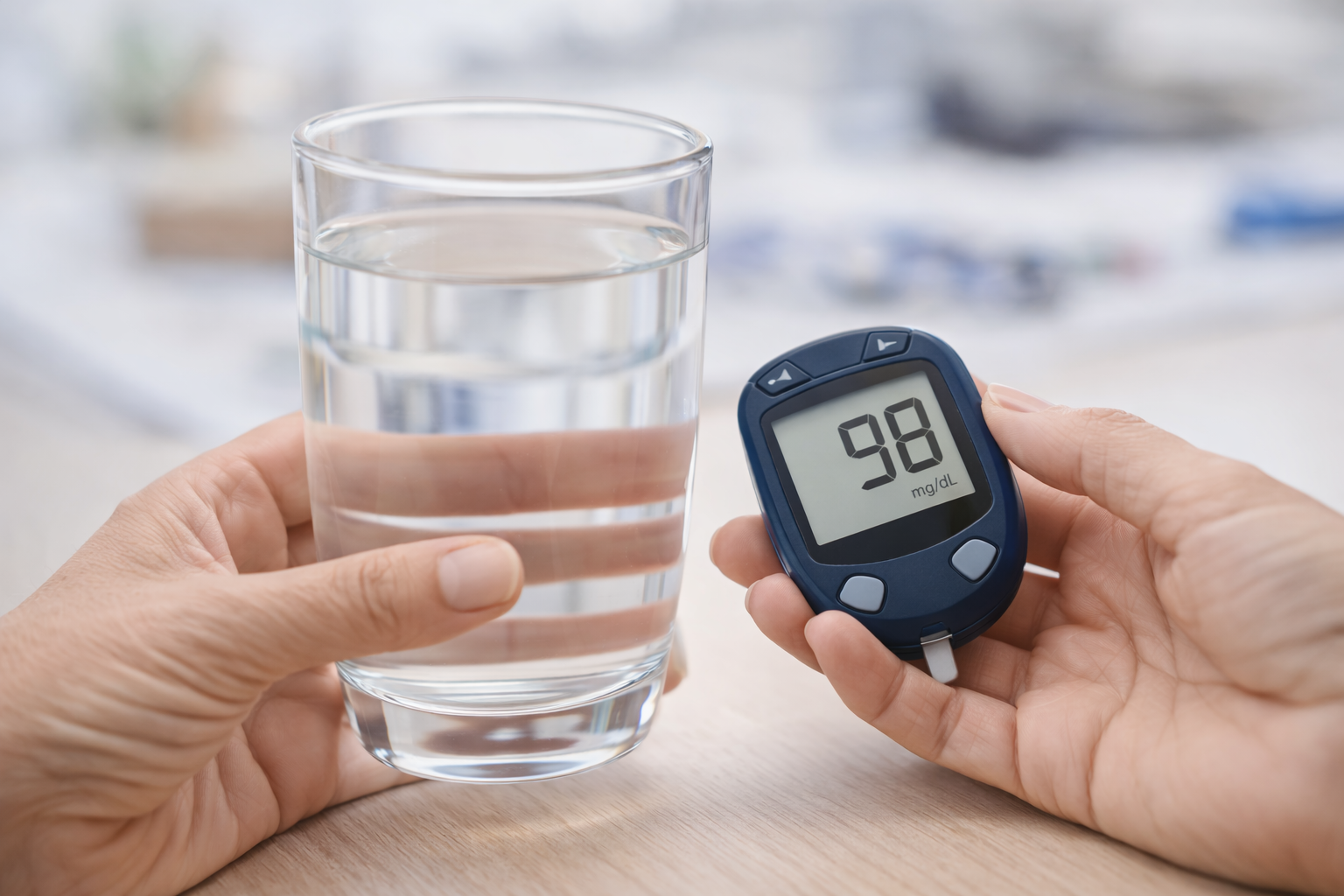
Here's the piece that gets lost between "it's genetic" and "it's your weight." After you eat, your gut releases a natural messenger that does two jobs at once: it tells your brain "you're full," and it helps the insulin your pancreas still makes actually get used. When that signal is strong, you feel satisfied and the sugar leaves the blood. When it fades, you feel hungry again too soon, and the sugar stays where it is. That's the half-sandwich-versus-whole-sandwich difference Joan had been describing for eight years without knowing it had a name.
A physician with thirty years in practice asked the same question Joan is asking, about his own wife, whose A1c kept climbing for three years while she followed every instruction until the night she ended up in the hospital. In a free presentation he describes a study of identical twins, same DNA, same dinner table, where only one twin developed type 2, and what he says he found inside his wife's pancreas that was working against the cells that make that fullness signal. What it was, and the short morning routine he built around an oil named in Scripture more than thirty times, he explains himself. It isn't the honey-and-cinnamon drink that keeps getting forwarded.
If it were only your genes, your sister would have it too.
Watch what he found behind the twin studyWhat Joan keeps by the coffee maker now
The link came, of all people, from Peggy, who had seen it shared in her church's prayer group and sent it with a note: "This is about you, not me. Watch it and ask your doctor." Joan watched it at the kitchen table with her reading glasses and a legal pad, the way she used to balance the vault.
At the end, the presentation introduces Glyco Barrier, a daily formula built to support that natural signal. Joan took her legal pad to her next appointment. Her doctor told her to keep the metformin, keep the walks, check for lows, and recheck in three months. She started the following Monday.
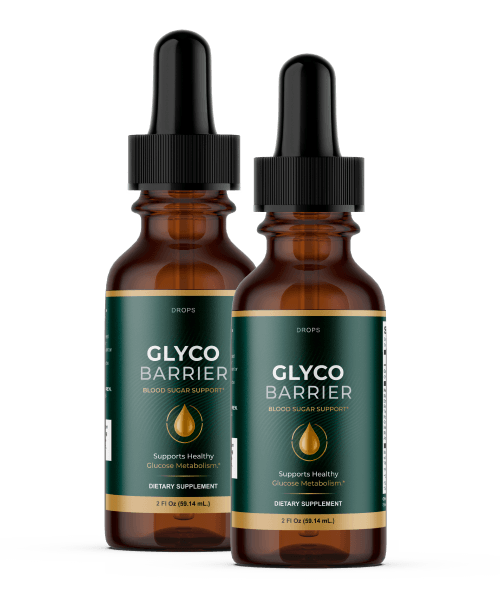
Her next A1c is in January. What she noticed first was the 3 p.m. pantry trip losing its grip, then a few mornings where her fasting number was lower than the night before, which she hadn't seen in years. Results vary from person to person, and Joan writes every reading on the legal pad for her doctor.
Glyco Barrier doesn't replace your medication, your doctor or your lab work. Ask your doctor before starting it if you take insulin or any medicine that lowers blood sugar, have kidney or liver problems, or take several daily medicines. The order page shows a 60-day satisfaction promise from the date of purchase.
November is National Diabetes Month. If you've spent years blaming your genes, the next test is already being written.
See the routine before your January testSo, what really causes type 2 diabetes?
Insulin resistance plus a pancreas that can't keep up, pushed along by family history, weight around the middle, inactivity, age and sleep. Those are real, and the habits that address them are worth keeping. But they don't fully explain why two people with the same risks end up in different places. If you've done the right things for years and the number keeps climbing, or you're hungrier than the people around you who eat the same food, ask your doctor what else could be going on.
P.S. Joan's family is having Thanksgiving at Peggy's this year. Joan says she's bringing the pie, and for the first time in eight years she's not worried about the slice. If you're the one in your family who got the diagnosis nobody else did, watch what Peggy sent her sister, and take your questions to your doctor.
Further Reading
What Is a Normal A1c for Seniors?
"Fine at your age" isn't a direction
Can Type 2 Diabetes Be Reversed After 20 Years?
What changes when the diagnosis is old news
Sources: Centers for Disease Control and Prevention, Diabetes Risk Factors and Type 2 Diabetes. National Institute of Diabetes and Digestive and Kidney Diseases, Symptoms and Causes of Diabetes.
Medical Disclaimer: This article is for informational purposes only and does not constitute medical advice. Results vary. Statements about supplements have not been evaluated by the Food and Drug Administration, and supplements are not intended to diagnose, treat, cure or prevent any disease. Never stop or change a prescribed medication without talking to your doctor.